Uptick Insight Series | 6 Ways Programmable Infrastructure Helps
Businesses Survive Platform Changes
Published on Oct 26, 2025
Today, businesses worldwide build their digital worlds on borrowed
infrastructure they fundamentally don’t control, facing algorithm
changes they can’t predict and relying on policies that shift without
warning or recourse.
This worked when platforms were just neutral marketplaces connecting
businesses with customers, but the relationship has turned completely
extractive as platforms increasingly capture value from the very
businesses that made them valuable in the first place.
Every business owner has a familiar sense of this anxiety, from the
retailer whose Facebook ad reach collapsed overnight when the
algorithm suddenly shifted, to the service provider whose marketplace
ranking completely vanished under new fee structures, to the event
organizer whose payment processing just flat out froze when platforms
changed terms.
These are symptoms of a structural flaw where businesses create value
on infrastructure they don’t own.
Traditionally, businesses have either resigned themselves or
diversified across multiple platforms, hoping at least one stays
reliable, but this model really just seems outdated at this point and
reveals the necessity for owned operational infrastructure rather than
renting from platforms.
In this article, we explore six ways programmable infrastructure gives
businesses genuine ownership over their operations. From event tickets
that automatically adapt to regulations, to art sales that generate
perpetual royalties, to loyalty programs that work across channels.
These practical applications put businesses back in control of their
operations, customer relationships, and revenue streams.
Let’s get into it.
COVID seems like nothing more than a hazy dream now, but as the dust
settled, it exposed how traditional ticketing systems completely
collapse under regulatory chaos, as concert halls that sold 2,000
tickets suddenly faced 500-person limits and spent weeks manually
contacting disappointed customers through refund processes that really
should have just taken minutes.
Sports venues struggled to verify vaccine requirements through chaotic
phone calls, creating entry bottlenecks, festival organizers watched
weather restrictions invalidate tickets without any way to adjust
capacity, and promoters worked nonstop to keep everything fair as
every regulatory shift required manual intervention that legacy
infrastructure simply couldn’t handle.
The challenges of manual ticketing systems made clear the need for
solutions that automate responses to real-world changes, and that
event organizers needed tools that could smoothly react to shifting
regulations without delays, errors, and customer frustrations.
Concert promoters need infrastructure that is able to react as fast as
the regulations themselves, where a 2,000-seat venue hit with a sudden
500-capacity limit could instantly process refunds instead of drowning
staff in spreadsheet chaos at midnight. Uptick’s smart contracts
embedded directly into digital tickets make this possible, executing
predefined rules the moment conditions trigger them and processing
thousands of programmable NFTs while organizers sleep instead of
manually calling disappointed ticket holders one by one.
As mentioned, sports venues faced their own nightmare, where vaccine
verification requirements turned entry gates into bottlenecks where
staff chaotically scrambled with clipboards and phone calls to check
credentials. Uptick’s decentralized identity framework solves this by
allowing ticket holders to prove compliance without exposing personal
health data, using selective disclosure and zero-knowledge proofs that
process verification instantly at entry points rather than creating
lines that snake around the block.
Secondary markets presented another crisis, as scalpers listed $80
tickets for $600 while organizers watched helplessly from the
sidelines, but Uptick’s programmable NFTs give organizers control by
embedding resale price limits and transfer rules directly into
tickets, recording every ownership change on-chain so transparency
replaces exploitation and fans can actually afford to attend shows.
Season ticket holders weren’t immune to these problems either, as
venues struggled to adjust capacity across multiple games spent hours
manually updating seat assignments and calling thousands of fans to
explain changes that should have happened instantly. Programmable NFTs
with embedded properties that adjust automatically when regulations
shift solve this, as Uptick’s Decentralized CRM is designed to track
season ticket holders and send automated notifications when capacity
changes, delivering seat reassignments or event updates directly to
wallets instead of forcing venue administrators to work through
outdated email lists at midnight.
When games get disrupted, and where integrated, smart contracts have
the ability to mint tokenized credits embedded as redeemable NFT
properties that holders apply toward future purchases, concessions, or
merchandise. Uptick’s Loyalty and Rights Management infrastructure can
maintain the full record of issued credits and redemption history,
creating a system where compensation accumulates in fans’ wallets
instead of disappearing into phone queues and forgotten refund
requests that take weeks to process.
As oracle integration expands, these responses become fully automated
through real-world data feeds, enabling ticket adjustments and credit
distributions to happen instantly when regulations change rather than
waiting for venue staff to implement updates manually. Press enter or
click to view image in full size
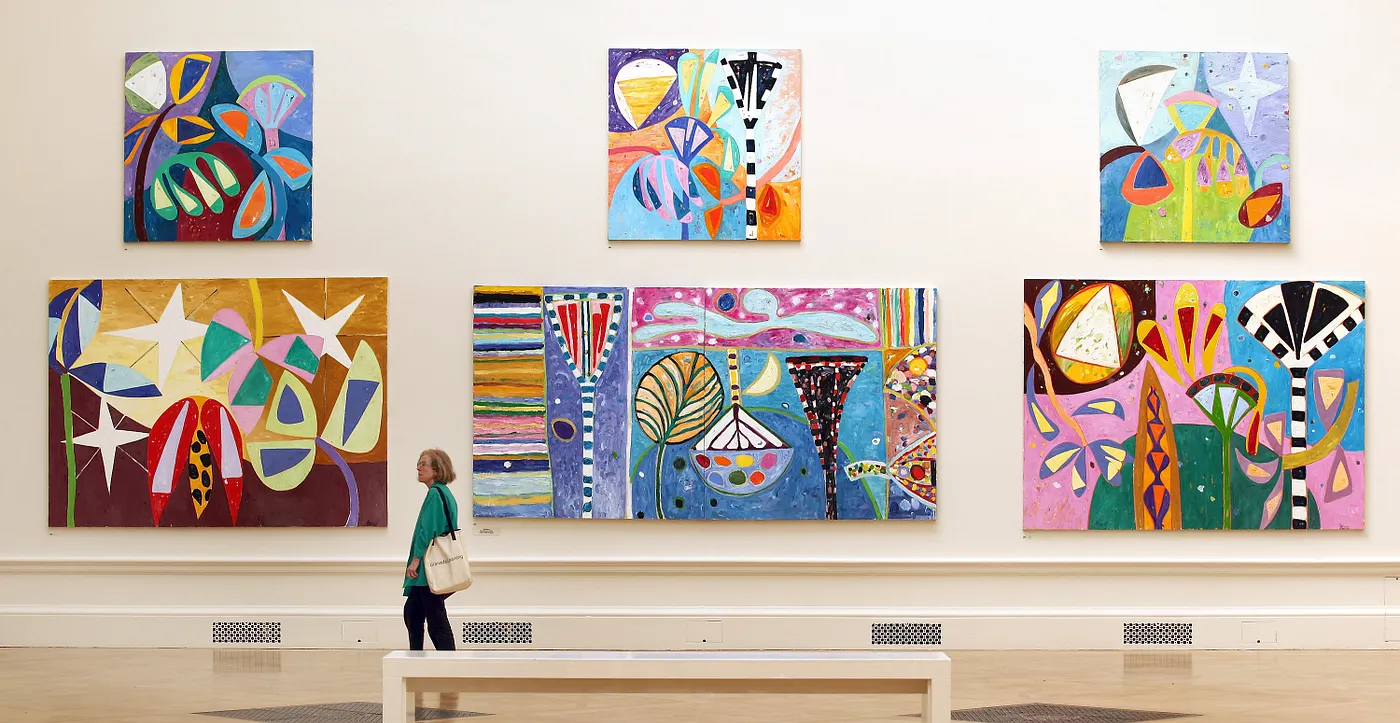
Digital artists sell work once and lose all connection to its future
success, watching buyers profit from resales worth tens of thousands
as the creators who made these transactions possible receive zero
compensation for the ongoing value their work generates.
The art world operates on a broken model where artists capture value
only at initial sale despite being the sole source of cultural
significance driving appreciation, creating systematic injustice that
repeats thousands of times daily as secondary market transactions
enrich everyone except the artists whose creativity made these markets
exist.
This pattern plays out predictably, as, let’s say a digital sculptor
spends months perfecting an installation that sells for $3,000, only
to discover it flipped for $25,000 two weeks later, then resold again
for $50,000 six months after that.
The gallery takes cuts, platforms take cuts, buyers profit handsomely,
and the creator receives nothing from the $47,000 in additional value
her work generated.
Multiply this across thousands of artists and millions of
transactions, and an entire creative class gets systematically
excluded from wealth their creativity creates. The problem compounds
as art moves between platforms, severing the artist’s connection with
each transfer. A piece mints on Ethereum, moves to Polygon for lower
fees, then lands in a private collector’s vault on Binance Smart
Chain, as each chain-hop breaks tracking and makes ongoing
compensation impossible.
Major marketplaces like OpenSea now support the ERC-721C creator token
standard for new collections, but this only enforces royalties for
works specifically minted using these standards, leaving millions of
existing artworks without protection as they circulate through
peer-to-peer sales and emerging marketplaces ignoring voluntary
metadata completely.
Artists need infrastructure that is able to follow their work wherever
it travels, embedding compensation rights directly into the art itself
so royalties flow automatically instead of disappearing the moment a
piece changes hands. Uptick’s programmable NFT metadata makes this
possible by allowing creators to encode royalty terms at the moment of
minting, so smart contracts execute distributions when resales occur
on compatible marketplaces.
The digital sculptor’s $3,000 initial sale happens normally, but when
subsequent buyers flip the piece for $25,000 and then $50,000, smart
contracts recognizing Uptick’s embedded terms trigger royalty payments
directly to the artist’s wallet according to predefined percentages.
The artist no longer watches from the sidelines as her work generates
$47,000 in additional value, she receives her share automatically with
each transaction.
The cross-chain problem that severed artist connections as work moved
from Ethereum to Polygon to Binance Smart Chain gets addressed through
Uptick’s cross-chain infrastructure, which maintains NFT metadata
intact across blockchain transfers. The programmable terms embedded at
minting travel with the artwork, preserving royalty logic regardless
of which ecosystem the piece lands in.
Uptick’s Loyalty and Rights Management system provides the complete
transaction history, showing every sale price, ownership transfer, and
provenance detail in immutable on-chain records. Collectors value this
verified authenticity, and the transparent record increases artwork
worth beyond what opaque marketplaces could offer.
Uptick infrastructure fundamentally reshapes how artists participate
in secondary markets by embedding economic terms directly into artwork
that travels across blockchain ecosystems. The vision’s success, does
however, depend on marketplaces recognizing and enforcing these
protocol-level standards rather than treating them as optional
metadata, but compatible platforms executing Uptick’s embedded royalty
logic create ongoing revenue streams that traditional art markets
systematically denied to creators.
Beyond regulatory challenges, businesses face another infrastructure
limitation that destroys their most valuable relationships.
Small businesses really struggle with fragmented customer
relationships where their most valuable customers engage across
multiple channels but need to perform a balancing act of separate
apps, cards, and reward systems that don’t recognize their total
contribution. The modern business world forces customers into isolated
experiences where their comprehensive relationship with a brand gets
divided across disconnected systems, as businesses lose opportunities
to recognize and reward their best customers in ways that would cement
long-term dedication.
Coffee shops watch this kind of fragmentation unfold constantly.
Their best customer visits the downtown location every morning, orders
beans online monthly, and follows their food truck to three different
neighborhoods, spending $2100 annually across these touchpoints.
The barista serving them downtown has zero visibility into their
online purchases. The food truck operator doesn’t recognize them from
the physical shop. Each interaction starts from zero despite this
customer representing the business’s most valuable relationship, as
fragmented loyalty systems force them to juggle separate punch cards
and reward programs that don’t communicate.
The administrative complexity compounds this waste, because updating
rewards requires coordinating across different platforms, and
launching new perks means multiple implementations, and understanding
customer behavior needs manual data compilation. Business owners end
up spending more time managing loyalty infrastructure than building
relationships as customers grow frustrated maintaining separate
identities for the same brand.
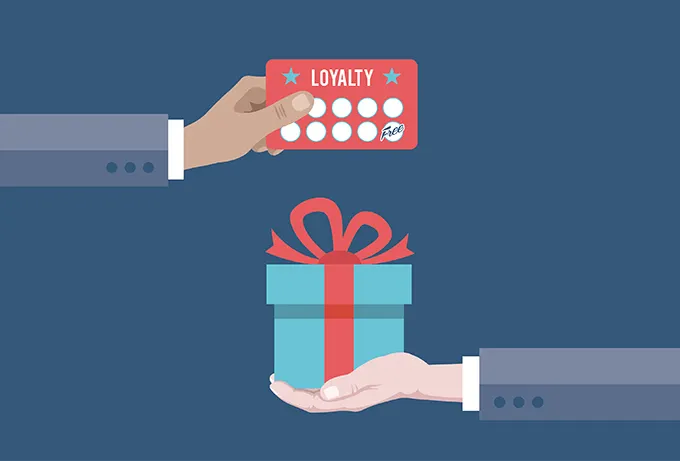
These kinds of fragmented touchpoints destroy business relationships
before they can mature, where a customer spending $2100 annually
across a coffee shop’s downtown location, online store, and food truck
gets treated as three separate strangers because loyalty systems don’t
recognize their comprehensive engagement. Uptick’s loyalty NFTs can be
designed to consolidate this scattered activity into a single digital
wallet, so those 50 downtown visits, monthly online orders, and food
truck breakfasts get tracked within unified programmable credentials.
Smart contracts could be coded to recognize spending milestones
automatically and trigger loyalty tier upgrades without requiring
staff to manually update systems across three different platforms.
Benefits like early access to seasonal blends or shipping fee waivers
get embedded directly into the NFT properties, executing when
conditions are met rather than waiting for someone to process rewards
during business hours.
The system’s programmable nature allows businesses to create dynamic
reward structures where loyalty credentials evolve based on customer
engagement, minting tiered loyalty NFTs when customers reach lifetime
spending milestones with each tier unlocking specific benefits. The
beauty lies in complete customizability, where businesses structure
smart contract logic according to their individual needs rather than
conforming to rigid templates that ignore how they actually operate in
the real world.
Partnership networks extend this value beyond single businesses, as
that customer’s loyalty NFT can provide benefits across participating
companies with all partners recognizing the shared credential through
Uptick’s cross-chain infrastructure. When participating businesses
offer exclusive benefits to loyalty holders, customers with qualifying
NFTs access these perks automatically, with Uptick’s identity system
providing verification without exposing personal information.
Yet again, Uptick’s Loyalty and Rights Management system maintains
complete history showing spending patterns, tier progressions, and
benefit redemptions, creating immutable on-chain records that
businesses use to understand customer behavior without compromising
privacy.
What we end up with is programmable credentials that consolidate
engagement into unified recognition that follows customers everywhere
they interact, creating relationships that deepen automatically with
every purchase across all participating touchpoints.
Administrative overhead frequently causes collaborative projects to
fail, where tracking individual contributions, managing evolving team
roles, and distributing revenue fairly actually becomes more complex
than the creative work itself. The dream of collaborative creation
gets buried under manual bookkeeping that consumes more energy than
the project intended to channel toward ambitious goals, turning
creative partnerships into administrative nightmares that ruin the
relationships they were meant to strengthen.
Research collectives building open-source tools face this collapse
immediately, when let’s say a climate data analysis project starts
with three founding members across different countries, each
contributing code and datasets, but six months later a Brazilian
contributor joins with critical machine learning algorithms. The team
now needs to renegotiate payment splits, update legal contracts, and
manually track who contributed what across multiple work streams,
turning what began as exciting collaborative work into a part-time
accounting job nobody really wanted.
Administrative complexity grows exponentially with success, and manual
systems that worked for three people completely break when the team
reaches seventeen contributors across six countries with different tax
requirements and varying commitment levels. Each new contributor means
updating agreements, each revenue event demands recalculating splits,
and tracking contributions requires maintaining spreadsheets that
capture work across repositories, datasets, and documentation.
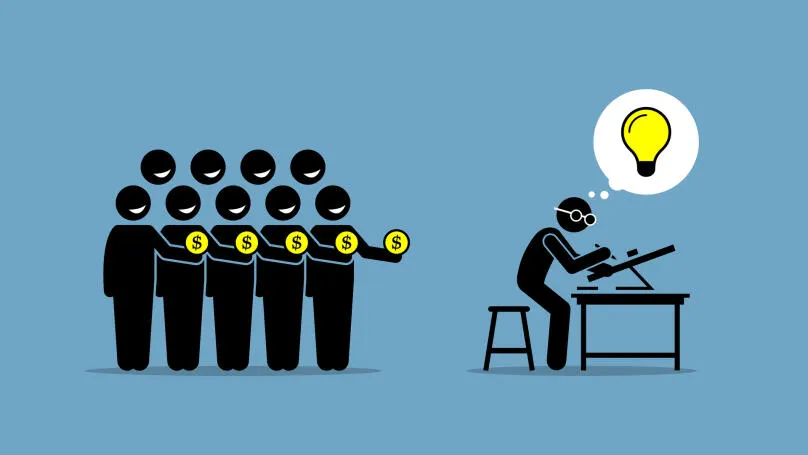
Uptick’s token-based governance systems address this by allowing
research collectives to issue governance tokens proportional to
initial contributions, with subsequent work tracked through the
project’s chosen validation mechanisms. When that Brazilian
contributor joins with machine learning algorithms, the DAO votes to
grant them a percentage of governance tokens based on demonstrated
value, and smart contracts update payment allocations according to the
new token distribution automatically.
Eighteen months after launch, when the tool generates its first
licensing revenue, smart contracts distribute funds to all
contributors based on their token-weighted participation. The founding
member holding a larger percentage receives proportional amounts, and
newer contributors receive distributions according to their stake,
with payments executing across multiple jurisdictions through crypto
transactions that avoid traditional international wire fees and weeks
of processing delays.
Uptick’s cross-chain infrastructure will eventually enable the DAO to
operate across blockchain networks, letting contributors hold
governance tokens on different chains while participating in
proposals. When the collective votes to allocate funds from treasury
reserves, multi-sig wallet infrastructure requires approval from key
contributors before releasing funds, executing distribution once
consensus emerges through on-chain voting where Uptick’s identity
system provides verification without exposing personal information.
Token-weighted governance and smart contract payment logic replace the
spreadsheets, manual reconciliation, and constant renegotiation that
kill collaborative projects before they reach potential. Programmable
systems handle administrative complexity that would otherwise consume
more energy than the creative work itself, allowing seventeen
contributors across six countries with different tax requirements and
varying commitment levels to focus on building rather than
bookkeeping.
Data networks operate on extractive models where thousands of
volunteers contribute valuable information as institutions pay
substantial licensing fees to access aggregated data, creating systems
where contributors do the work but receive none of the economic value
they generate.
This unfair arrangement has gone on for decades as individuals provide
the raw materials that create valuable datasets as economic benefits
flow entirely to institutions and platforms that aggregate and sell
access to information they didn’t create.
Environmental monitoring networks demonstrate this injustice at scale.
For instance, when a volunteer in Mumbai operates an air quality
sensor on her balcony, checking calibration weekly and uploading
pollution readings every hour for three years as part of an 800-person
network spanning 50 cities. She invested $450 in equipment, pays
monthly internet fees, and dedicates hours to maintenance,
contributing 26,000 verified data points tracking climate patterns
across South Asia.
When a major university pays $180,000 to license the complete dataset
for research, all she receives is a thank-you email as institutions
monetize the precise information her years of consistent effort made
possible.
This pattern repeats across citizen science projects tracking wildlife
populations, medical research where patients contribute health data,
and community documentation initiatives, as thousands of contributors
perform actual collection work and institutions capture 100% of
licensing revenue.
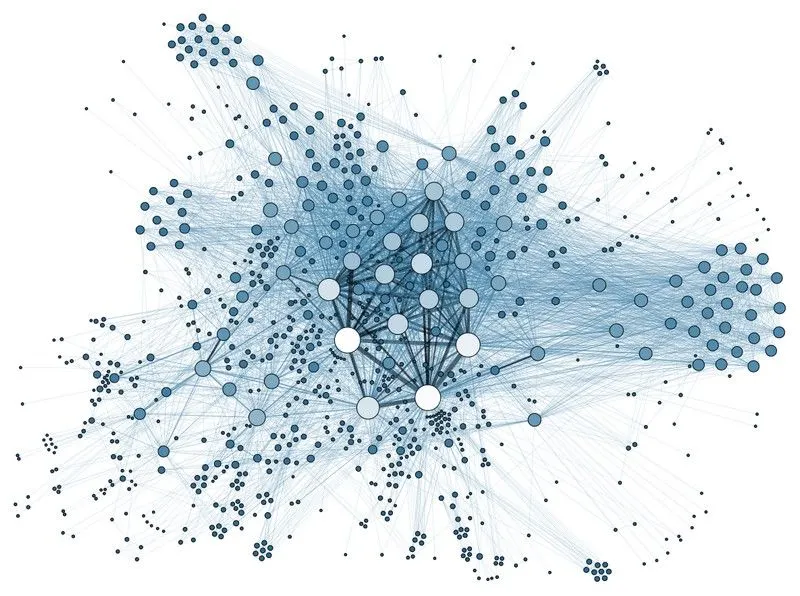
Uptick’s programmable NFTs address this by allowing data networks to
issue digital credentials representing proportional ownership based on
contribution metrics tracked through the system. That 800-member
environmental monitoring network can weight NFTs according to
predefined criteria like data quality scores, uptime, and geographic
coverage, with contribution records stored via decentralized storage
so every sensor operator maintaining consistent readings receives
recognition tied directly to their work.
When that university purchases licensing rights, smart contracts
distribute payments to all contributors based on their NFT-weighted
participation recorded throughout the dataset’s history. Contributors
holding different percentages of dataset tokens receive proportional
amounts according to payment distribution logic embedded in the smart
contracts, with payments executing across multiple jurisdictions
through crypto transactions that avoid traditional international wire
transfer delays and fees.
Uptick’s cross-chain infrastructure enables the tokenized model to
operate across blockchain networks, so when the network votes to
expand coverage requiring equipment purchases, governance tokens
granted proportionally to NFT holders enable community
decision-making. Uptick’s DAO infrastructure supports decentralized
governance where proposals require approval based on predefined voting
thresholds before executing fund releases, with Uptick’s identity
system providing verification, all while preserving participant
privacy.
Programmable frameworks transform extractive models that reward only
institutions into systems where the thousands of volunteers performing
actual collection work participate directly in the economic value
their consistent effort generates. Contributors hold tokenized stakes
in the datasets they build, and ownership and revenue distribution
operate through infrastructure where their years of uploading
readings, checking calibration, and maintaining equipment finally
translate into the compensation those contributions always deserved.
Event promoters lose tremendous value selling static VIP packages that
can’t evolve with opportunity, missing chances to surprise fans with
spontaneous added value or reward loyalty through experiences that
grow more valuable over time.
The traditional event industry operates on a model where value gets
locked in at the moment of ticket purchase, preventing promoters from
capitalizing on their best ideas and most generous impulses as it
leaves fans with experiences that never exceed initial expectations.
Concert promoters sell VIP packages months in advance and feel trapped
by upfront promises as their best ideas come later during artist
collaboration and venue planning, but traditional ticketing
infrastructure locks value at sale time and prevents the kind of
evolving experiences that create superfans and drive word-of-mouth
marketing.
A promoter might secure a last-minute acoustic session with the
headliner, arrange exclusive merchandise from the artist’s personal
collection, or gain access to a private venue space, yet they have no
way to share these opportunities with their most loyal supporters.
The static nature of traditional event experiences means missed
opportunities for surprise and delight that define memorable
entertainment. When artists decide to do impromptu meet-and-greets,
when special guests make unexpected appearances, or when unique
performance elements get added to shows, VIP ticket holders can’t be
included since their packages were defined months earlier.
A lot of the time, these spontaneous moments become the most
talked-about aspects of events, but as it stands, the fans who
invested most in supporting the experience get excluded from the
magic.
Promoters watching last-minute opportunities slip through their
fingers because static ticketing locked experiences at purchase faced
a fundamental infrastructure problem. That acoustic session secured
two weeks before the show, the exclusive merchandise from the artist’s
personal collection, or the private venue space gained through venue
negotiation couldn’t reach the VIP ticket holders who deserved them
most because traditional systems defined packages months earlier and
offered no way to update them.
Uptick’s programmable NFT infrastructure is designed to address this
by allowing VIP passes to evolve throughout event experiences. Early
purchases unlock behind-the-scenes content during rehearsals,
attendance delivers high-quality recordings afterward, and social
sharing grants priority access to future tours as NFT properties
update based on event milestones. Once Uptick Oracle is fully
integrated, these updates can respond to holder actions and real-world
triggers automatically, creating truly dynamic experiences that adapt
without requiring promoters to manually coordinate complex customer
service operations.
Last-minute decisions to offer virtual meet-and-greets update NFT
metadata instantly, showing new perks in holders’ wallets rather than
forcing staff to send thousands of individual emails at 2 AM. The
passes become living, breathing records of fan relationships where
attending multiple shows unlocks exclusive merchandise and viral
content sharing grants backstage access.
Smart contracts structured through Uptick’s programmable NFT system
create loyalty rewards that build increasingly valuable experiences as
engagement deepens, so repeat attendees who drive ticket sales and
bring new supporters receive escalating recognition rather than
getting treated identically to first-time buyers.
Fan engagement stays high for months instead of dying after events
end, turning one-time buyers into superfans who eagerly await whatever
comes next as programmable infrastructure transforms static VIP
packages into evolving experiences that surprise and delight
throughout entire event lifecycles.
This enables promoters to capitalize on their best ideas and most
generous impulses rather than watching opportunities pass because
ticketing systems couldn’t adapt.
Platforms will change their rules, that much remains inevitable, but
businesses that recognize this reality and build on programmable
foundations position themselves to adapt rather than spending months
rebuilding from scratch after the next algorithm shift destroys what
took years to create.
When business logic embeds directly into assets through protocols like
Uptick’s cross-chain compatible frameworks, those assets carry their
own terms regardless of which platform hosts them or which network
they traverse, as artists’ royalty logic persists across marketplaces,
loyalty credentials accumulate value across channels, and
collaborative agreements execute automatically without platform
intermediaries dictating terms.
Companies building on programmable infrastructure are able to adapt to
regulatory shifts, evolving customer expectations, and platform policy
changes because their core infrastructure responds to conditions
rather than breaking under them, as event organizers adjust capacity
automatically when regulations shift, data contributors receive
compensation regardless of which institutions license datasets, and
fan relationships deepen over time instead of resetting with each
interaction.
The businesses that genuinely own their infrastructure will navigate
the next decade of platform volatility and capture value from every
transaction, but those that rent will simply watch opportunities
vanish each time terms of service updates arrive and profits flow to
intermediaries who contributed absolutely nothing to the value being
created.
Visit
uptick.network
to explore how programmable infrastructure can work for your specific
business needs.