Uptick Insight Series | 6 Ways Tokenized Incentives Can Fix Urban
Transportation
Published on Feb 16, 2026
Urban transportation operates under misaligned incentive structures,
and the people who create congestion, emissions, and infrastructure
wear rarely feel the real cost of those choices.
Then you have the people who choose low-impact options that mostly get
praised, along with a slower commute. Cities try to tweak this with
tolls, parking rules, or one-off incentive schemes, but most of it
still runs through closed systems with points that don’t travel, and
rewards that don’t stack or leave the platform.
Traditional urban mobility relies on punitive measures like congestion
pricing that extract value without creating behavioral change, parking
fees that generate revenue rather than rewarding sustainable choices,
and transit passes that lock riders into single-system subscriptions.
What binds these approaches together is a complete absence of positive
reinforcement, where choosing efficient transportation earns nothing
beyond avoiding penalties, and sustainable commuting stays as a
sacrifice as opposed to an economically rational decision.
Web3 infrastructure transforms this notion through tokenized
incentives that reward desired behaviors with programmable assets
holding real economic value. Uptick’s modular architecture enables
transportation networks to use programmable rewards that interoperate
across cities, transit systems, and mobility providers, creating
unified incentive layers where commuters accumulate ownership stakes
in the infrastructure they support.
The infrastructure to enable these scenarios already exists, what’s
missing isn’t the technology but the institutional willingness to
replace extraction with value creation. In this article, we’re going
to explore six practical scenarios where tokenized incentives create
measurable improvements in urban transportation efficiency,
sustainability, and equity.
Let’s get into it!
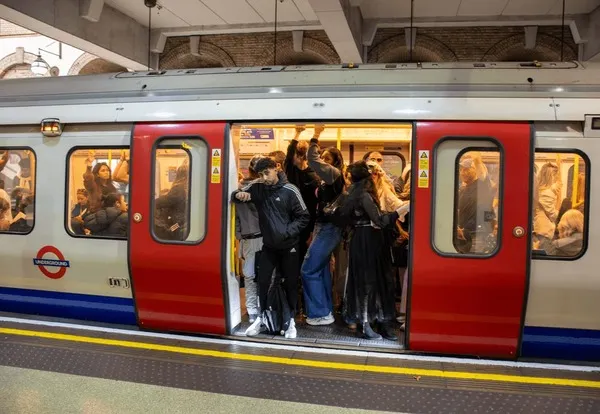
Public transit systems face severe capacity constraints during rush
hours and run near-empty trains during midday periods, creating mass
inefficiency where transportation authorities operate expensive
infrastructure at partial utilization despite covering fixed costs
regardless of ridership distribution. Fare structures treat all trips
equally despite wildly different infrastructure strain.
Traditional transit pricing captures none of these efficiency
dynamics, charging identical fares whether riders board during peak
congestion or off-peak windows when adding passengers costs virtually
nothing. Dynamic pricing models in cities like London and Singapore
reduce congestion through higher peak fares, but these systems extract
value without creating alternative rewards, simply making
transportation more expensive for those whose schedules require peak
travel.
Uptick’s Loyalty and Rights Management module addresses this with the
ability to enable programmable transit tokens issued as NFTs that
commuters genuinely own and can use across participating mobility
networks. Transit authorities operating reward programs through smart
contracts recognize off-peak ridership and automatically issue tokens
based on real-time capacity utilization, creating economic incentives
for flexible commuters to shift travel windows.
These tokens are stored in decentralized wallets controlled through
private keys rather than accounts managed by individual agencies that
create vulnerabilities when systems change vendors. When commuters
reach reward thresholds, smart contracts could automatically issue
tokens redeemable for future rides, upgrades into premium mobility
benefits, or tokens traded on secondary markets where peak travelers
purchase off-peak credits from flexible commuters.
When commuters reach reward thresholds, smart contracts could
automatically issue tokens redeemable for future rides, upgrades into
premium mobility benefits, or tokens traded on secondary markets where
peak travelers purchase off-peak credits from flexible commuters. This
creates price discovery that reveals the true value of peak capacity
rather than arbitrary pricing controlled by transit authorities.
Uptick Cross-chain Bridge and IBC protocols can also enable these
rewards to work across different blockchain ecosystems, so a transit
system on Ethereum might accept mobility tokens issued by a regional
bus network using Polygon, removing technical barriers that disconnect
multi-modal adoption.
Transportation accounts for nearly 30% of global carbon emissions,
with personal vehicle usage contributing disproportionately compared
to public transit, cycling, or walking. Cities attempting to reduce
emissions rely primarily on restrictions like low-emission zones,
congestion charges, or parking limitations rather than genuine
behavioral incentives that reward sustainable choices.
Carbon offset programs are staying disconnected from daily
transportation choices and generate skepticism about actual impact
given opaque verification standards. Rail commuters might feel
virtuous but receive no tangible economic benefit despite generating
measurably lower emissions, as traditional systems lack infrastructure
to capture and reward these individual sustainability decisions in
ways that accumulate real value.
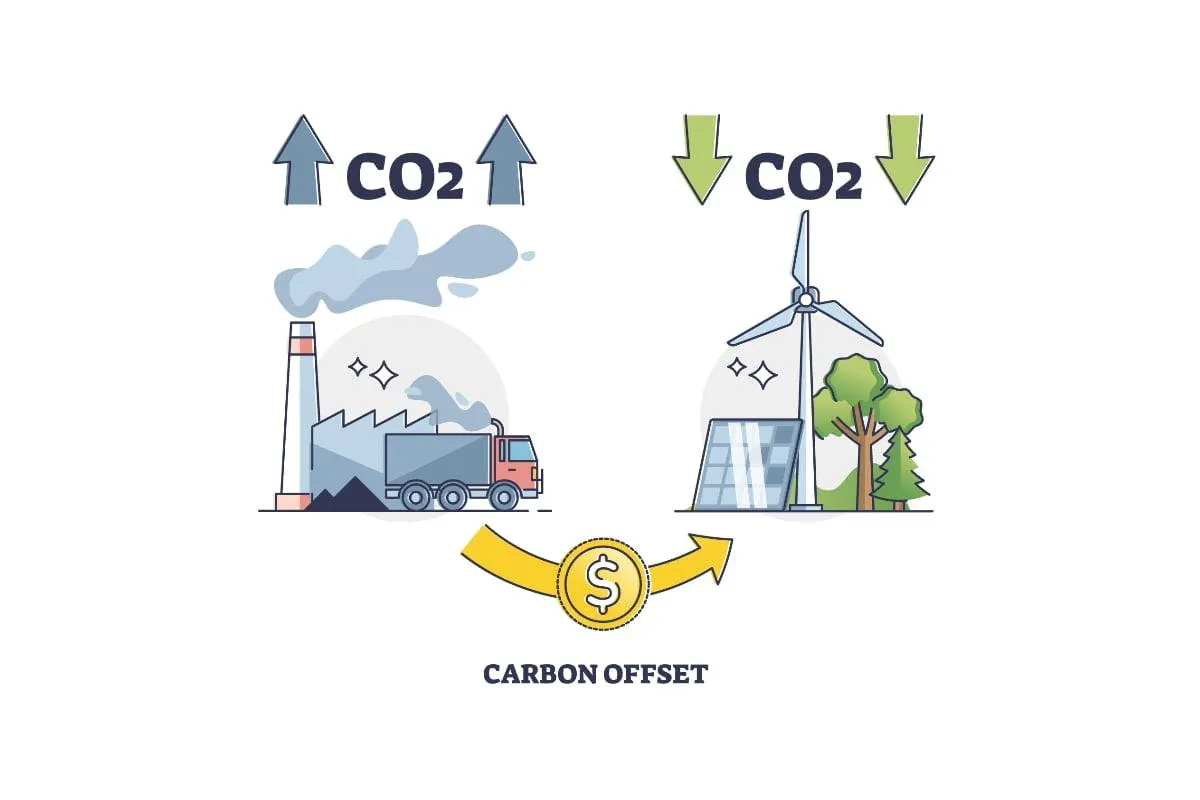
Uptick’s GreenTech Service and Programmable NFT Protocol can enable
cities, transit networks, and mobility providers to issue
interoperable green mobility tokens for verifiable low-carbon
behaviors. Commuters selecting rail instead of driving, choosing
bicycle share over ride-hailing, or combining multiple sustainable
modes into single journeys earn tokens recorded on-chain with verified
environmental impact calculated through oracle-fed emissions data.
These green mobility tokens could function as programmable NFTs
redeemable across coalitions of participating brands, traded on
secondary markets, or upgraded into higher-tier sustainability badges
tied to Uptick DID, where smart contracts verify eligibility and
automatically distribute rewards without exposing personal travel
patterns to centralized platforms that monetize behavioral data.
Corporate sustainability programs can purchase these verified tokens
to offset business travel emissions, creating enterprise demand that
transforms individual sustainable choices into liquid assets with
market-determined pricing, and cities can implement coalition
structures where accumulated tokens unlock premium benefits like
priority bike lane access or reduced tolls.
When mobility providers use Uptick’s cross-chain infrastructure,
commuters who earn green rewards on regional rail networks could also
redeem them with bike-share services or EV charging networks operating
on different blockchains, as the Uptick Cross-chain Bridge maintains
metadata and reward logic across chains. This architecture turns
spread out sustainability campaigns into unified, interoperable green
mobility layers that align incentives across commuters seeking
economic rewards, cities pursuing emission reduction targets, and
corporations needing verified carbon offset mechanisms.
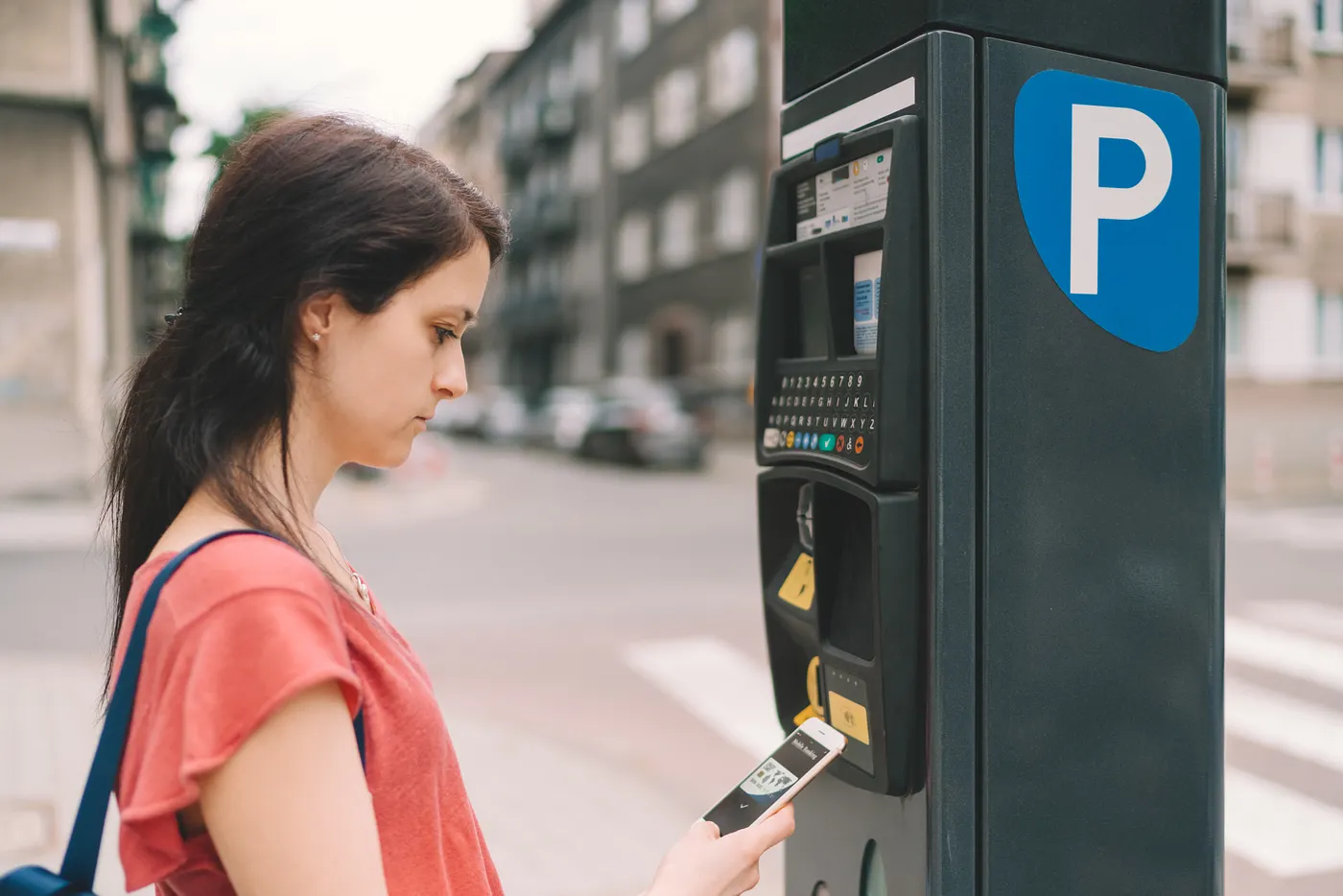
This isn’t one you might immediately think of, but urban parking
operates through spectacularly inefficient allocation mechanisms where
drivers circle blocks searching for spaces, generating unnecessary
congestion, even as empty spots exist blocks away that drivers never
discover.
Cities like Los Angeles estimate that cruising for parking accounts
for 30% of downtown traffic congestion, as drivers waste substantial
time searching and parking operators lack incentives to share
real-time availability data. Traditional parking apps provide
availability information but capture value through transaction fees
rather than rewarding drivers who make efficient decisions.
Choosing an off-street garage several blocks away instead of circling
for curbside parking benefits the system through reduced traffic,
however this choice generates no personal economic advantage beyond
avoiding search time, and cities collect identical revenue regardless
of whether drivers optimize space utilization or contribute to
gridlock.
Uptick’s Programmable NFT Protocol can enable parking networks to
issue efficiency rewards as NFTs that drivers genuinely own and can
use across participating facilities. Parking coalitions operating
through smart contracts recognize efficient space utilization and
automatically issue tokens when drivers select underutilized
facilities instead of searching for scarce street parking.
When drivers accumulate reward balances, smart contracts could
automatically offset future parking costs, enable trading to other
drivers seeking premium spots, or upgrade into monthly passes at
participating facilities. Dynamic pricing emerges where high-demand
street parking requires premium token amounts and underutilized
garages offer bonus rewards, creating market signals that naturally
distribute parking demand without requiring centralized planning.
The system transforms parking from zero-sum competition for scarce
spots into positive-sum incentive structures where efficient choices
generate economic rewards that benefit commuters, reduce urban
congestion, and improve infrastructure utilization through transparent
market mechanisms.
Last-mile transportation connecting transit stations to final
destinations creates a steady stream of mobility gaps where commuters
default to personal vehicles despite preferring public transit for
longer journeys, as walking distances beyond half a mile prove
inconvenient and ride-hailing costs add prohibitive expenses. Cities
invest billions trying to reduce these gaps, but infrastructure-heavy
approaches face political obstacles, and existing micro-mobility
solutions like bike-shares and scooters operate on disconnected
networks with incompatible payment systems.
Living two miles from a transit station could mean driving the entire
journey rather than combining a short bike ride with rail, because
managing separate accounts creates friction, and no economic incentive
exists for choosing the multi-modal option that reduces infrastructure
costs and environmental impact.
Ride-hailing services offer integrated payment but capture all value
through platform fees rather than rewarding commuters who make
efficient choices.
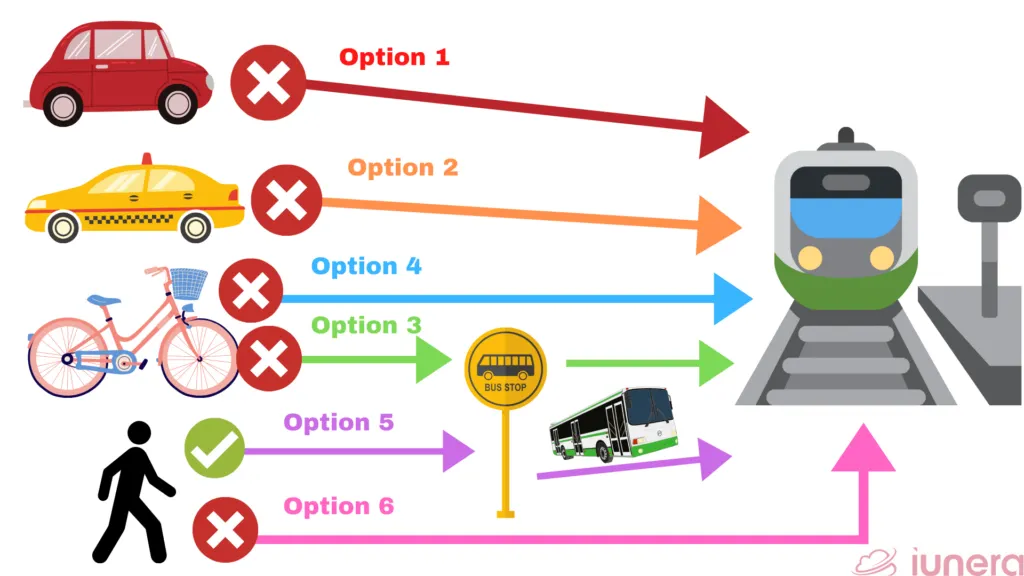
Uptick’s Loyalty and Rights Management module can enable mobility
providers to issue unified rewards across transit systems,
bike-shares, scooters, and ride-sharing networks. Commuters combining
bike-share to stations, riding transit downtown, then completing final
distances on scooters could receive interoperable mobility tokens that
accumulate across all services.
These tokens function as programmable membership assets that
automatically unlock tier benefits when holders reach threshold
balances, eliminating subscription models that charge monthly fees
regardless of usage. Commuters make choices based on optimal routing
rather than navigating payment friction, and mobility providers
compete on service quality rather than proprietary lock-in.
Commuters make choices based on optimal routing rather than navigating
payment friction, and mobility providers compete on service quality
rather than proprietary lock-in.
Personal vehicle usage is still necessary for lots of commuters due to
suburban housing patterns, accessibility needs, or work schedules
incompatible with fixed transit routes, but driving behaviors vary
dramatically in efficiency where aggressive acceleration and rapid
braking substantially increase fuel consumption and emissions compared
to smooth driving patterns.
Traditional insurance models offer minor discounts for safe driving
tracked through telematics, but these systems focus on accident
prevention rather than environmental impact and capture economic
benefits through reduced payouts rather than rewarding drivers
directly. Driving through aggressive acceleration generates
significantly higher emissions than covering identical distances using
cruise control, but both pay similar costs despite measurably
different environmental impact.
Driving through aggressive acceleration generates significantly higher
emissions than covering identical distances using cruise control, but
both pay similar costs despite measurably different environmental
impact. Fuel efficiency feedback provides information but creates no
economic incentive, and gamification approaches generate engagement
without real value that motivates sustained behavioral change.

Uptick’s GreenTech Service and Programmable NFT Protocol can enable
vehicle networks and insurance providers to issue eco-driving tokens
based on verified efficiency metrics tracked through vehicle
telematics. Drivers maintaining optimal acceleration, efficient
speeds, and minimal idling receive tokens calculated through
oracle-fed vehicle data that smart contracts verify.
Drivers maintaining optimal acceleration, efficient speeds, and
minimal idling receive tokens calculated through oracle-fed vehicle
data that smart contracts verify, and Uptick’s privacy-preserving
architecture is able to aggregate efficiency metrics without exposing
location tracking to centralized platforms. These tokens could
accumulate as on-chain assets redeemable for charging credits at EV
stations, discounts on vehicle maintenance, or upgrades to toll road
express lane access.
Insurance providers might offer token-denominated discounts where
drivers stake accumulated tokens as proof of efficient patterns,
creating verifiable reputation credentials that replace intrusive
telematics monitoring with privacy-respecting on-chain evidence. This
creates tangible rewards where commuters optimizing driving behavior
accumulate meaningful token value, creating measurable incentives that
align personal financial interest with sustainability goals and
maintain individual choice rather than imposing restrictions on
necessary vehicle usage.
Transportation equity is still a massive challenge where low-income
households spend disproportionate income shares on mobility costs,
face limited transit access in underserved neighborhoods, and lack
financial flexibility to optimize transportation choices.
Subsidized transit programs offer discounted fares but require
bureaucratic enrollment, create stigma through separate fare cards,
and fail to address broader mobility needs beyond single-system public
transit. Living in a transit-poor area might mean spending substantial
income on older vehicle operating costs despite preferring public
transit that doesn’t serve your neighborhood, and gig economy workers
face impossible choices between expensive ride-hailing to reach jobs
during off-hours or declining income opportunities they can’t
physically access.
Transportation voucher programs attempt to address these gaps through
subsidies, but fragmented administration creates confusion, and
vouchers function as restricted instruments rather than flexible
assets that recipients control.

Uptick’s Loyalty and Rights Management module combined with DID
infrastructure can enable unified mobility wallets where
income-qualified residents receive programmable transportation
stipends that work across any participating mobility service including
transit, ride-shares, bike-shares, and parking.
Wallet holders might use tokens for bus fare one day, scooter rental
the next, ride-hailing after that, based on daily needs rather than
being locked into single-service subsidies, as Uptick’s interoperable
architecture means that tokens hold equivalent value across entire
mobility coalition networks. These wallets function as DID-linked
credentials that automatically verify eligibility without requiring
recipients to repeatedly prove qualification, preserving dignity
through privacy-respecting verification.
Wallet holders accumulate rewards through usage that reduce future
transportation costs, creating upward mobility mechanisms where
sustainable choices build asset balances rather than simply consuming
subsidies, and cities can fund these programs through congestion
charge revenues or parking fees that currently disappear into general
budgets.
With this in place, we can move away from voucher programs into
comprehensive mobility access systems that respect recipient autonomy,
reduce administrative overhead, and create genuine choice rather than
limiting low-income residents to restricted options, where sustainable
transportation becomes economically rational rather than financially
sacrificial.

Uptick’s infrastructure shows us that urban mobility can align
commuter preferences with city transportation goals through
transparent value exchange built on programmable assets, where transit
agencies compete on service quality, parking facilities optimize
utilization through market-based pricing, and sustainable
transportation choices generate liquid rewards that appreciate based
on environmental market demand rather than arbitrary point valuations.
These scenarios represent practical applications of programmable
infrastructure where transportation transitions from extraction to
value creation, mobility rewards evolve from platform lock-in into
commuter-owned assets that appreciate based on utility, and cities
build efficiency through economic incentives that respect choice
rather than impose restrictions.
The infrastructure exists today to make this vision operational,
transforming urban transportation from systems optimized for revenue
extraction into networks that reward efficient choices, respect
commuter autonomy, and build sustainable mobility through aligned
incentives rather than mandates that treat congestion, emissions, and
equity as problems solved through top-down control instead of
bottom-up economic rationality.
The question is whether cities and mobility providers are willing to
abandon extraction models that trap value in closed systems and
replace them with programmable infrastructure that turns commuters
into stakeholders. Every city circling discussions about congestion,
sustainability, and equity already has the behavioral data showing
where current incentive structures fail, what’s missing is the
institutional courage to build systems that reward rather than
restrict.
Uptick’s infrastructure makes that transition easier, turning urban
mobility from a zero-sum competition for constrained resources into a
positive-sum network where efficient choices compound into genuine
economic value that commuters own, trade, and benefit from across
every transportation decision they make.