Uptick Insight Series | 6 Ways Web3 Can Rebuild Trust in Tourism and
Hospitality
Published on Jan 14, 2026
Italian authorities have documented and prosecuted organized networks
that are posting thousands of fake five-star reviews for hotels that
paid as little as €3 per review, with one criminal investigation
revealing a PromoSalento operation that flooded booking platforms with
fabricated testimonials for restaurants and hotels across southern
Italy, resulting in Italy's first-ever jail sentence for review fraud
in 2018.
Major booking platforms themselves also face ongoing scrutiny over
algorithmic manipulation that prioritizes paying advertisers over
genuine ratings and selective removal of negative feedback threatening
revenue from premium-tier properties. The tourism industry generates
over $9 trillion annually, but it's actually built almost entirely on
trust between travelers and operators they've never met, in places
they've never been, relying on information they can't actually verify.
That trust is breaking systematically, because booking platforms are
able to manipulate search rankings based on commission rates rather
than traveler preferences, loyalty programs devalue points without
notice and trap value inside walled gardens, and travelers hand over
deposits to operators they can't verify, hoping properties match
photos and cancellation policies won't change arbitrarily when plans
change.
The platforms positioned as trust intermediaries have become the
primary source of trust erosion, extracting value from the travelers
and operators, but providing decreasing reliability in the information
and protections they claim to offer.
This is where infrastructure built for verification rather than
intermediation changes the economics.
If identity, reputation, and transactions instead operate through
systems designed for transparency and portability rather than walled
gardens, the industry can rebuild trust relationships that favour the
participants rather than extracting from them over and over again.
In this article, we're going to explore six ways Web3 infrastructure
addresses those specific trust breakdowns plaguing tourism and
hospitality, from review systems that can't be gamed to loyalty
programs that actually travel with you, examining how verifiable
credentials, programmable assets, and smart contracts enable the
industry to operate with the transparency it's always promised.

Review manipulation has now become industrialized, with entire
businesses dedicated to posting fake ratings, suppressing negative
feedback, and gaming platform algorithms that decide which properties
travelers actually see when searching.
Research estimates 30–40% of online reviews across major platforms
contain fraudulent elements, whether entirely fabricated praise,
competitor sabotage, or platform-incentivized modifications that
soften criticism in exchange for operator advertising spend. For
example, a boutique hotel in Lisbon might receive three one-star
reviews in a single week from accounts that never made bookings,
posted by a competitor two blocks away, and the platform's dispute
process takes months while the property drops from page one to page
four in search results.
Platforms claim to filter fraud but the incentives run opposite to
enforcement, as they profit from both sides, charging operators for
visibility and keeping travelers engaged through content volume
regardless of accuracy.

Uptick DID enables identity infrastructure that could link reviews to
verified transactions, where only users who completed actual bookings
through verifiable on-chain records would be able to post reviews
about those specific properties or services.
Review content could be stored through IPFS integration, creating
tamper-proof records with content-addressed hashes that make
post-publication editing visible to anyone checking the record, with
reviews becoming portable across any platform recognizing Uptick DID
standards.
What becomes possible is a boutique operator in Porto who can
demonstrate that 94% of their reviews come from verified guests with
on-chain booking records, differentiating themselves from competitors
whose ratings include unverifiable praise, and a traveler building
reputation across multiple platforms can prove they've completed 40
verified stays spanning three continents.

Hotel chains, airlines, and booking platforms have built loyalty
programs that promise rewards for customers that continue to use their
services, but then they proceed to systematically devalue those
rewards through opaque policy changes, arbitrary expiration rules, and
redemption restrictions that make sure that most accumulated points
basically go unredeemed.
Marriott Bonvoy members watched their points lose 20% of redemption
value overnight when the program merged three legacy systems, Expedia
loyalty points expire after 18 months of inactivity, and travelers who
accumulate value across Hilton, Delta, and American Express find those
currencies completely incompatible, unable to combine them for
meaningful redemptions despite representing thousands of dollars in
historical spending.
This disconnect actually serves platform interests by trapping value
inside ecosystems where it either expires worthless or redeems at
rates favoring the program operator.
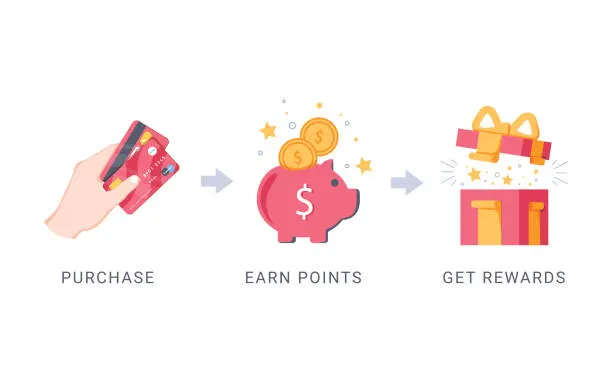
Uptick's Programmable NFT Protocol enables loyalty infrastructure that
operates differently, where hotels, airlines, restaurants, and tour
operators could issue loyalty tokens as programmable NFTs that carry
their own redemption logic, privilege unlocking conditions, and
transferability rules encoded directly in smart contracts.
Cross-chain compatibility through UCB and IBC protocols means loyalty
earned on one Web3 ecosystem works across others, so tokens from
independent hotels on Uptick-based platforms might potentially
interact with airline rewards or restaurant programs operating on
different technical infrastructure.
The Loyalty and Rights Management framework then handles complex
scenarios where tokens represent tiered benefits, time-based
privileges, or conditional rewards that unlock based on verified
activities tracked through decentralized data services.
A traveler could accumulate loyalty tokens from boutique hotels across
Southeast Asia that individually lack the scale to offer meaningful
rewards, but collectively represent enough value to redeem for
significant benefits, with the tokens tradeable on secondary markets
so unused loyalty converts to actual liquidity rather than expiring
worthless.
What we end up with is independent operators gaining the ability to
participate in loyalty ecosystems without platform intermediaries
extracting percentage fees, and travelers building portable loyalty
value that survives platform changes or program shutdowns.

The booking payment structure in tourism creates asymmetric risk where
one party always faces substantial downside, because travelers lose
deposits when operators cancel bookings without legitimate cause, and
operators absorb revenue losses when travelers no-show without
penalty.
A family booking a villa in Greece three months ahead, pays a €2,000
non-refundable deposit, then arrives to find the property doesn't
really match the photos, and essential amenities are broken, but the
platform's dispute process takes six weeks and ultimately rules in
favor of the operator who's been advertising with them for five years,
while a small hotel in Bali holds rooms for travelers who never show
up, losing the revenue without recourse because the booking platform's
cancellation policy protects guests regardless of the hotel's stated
terms.
The platforms position themselves as trust intermediaries but
ultimately control both the funds and the dispute resolution process,
creating conflicts of interest where decisions optimize for platform
retention rather than fair outcomes.
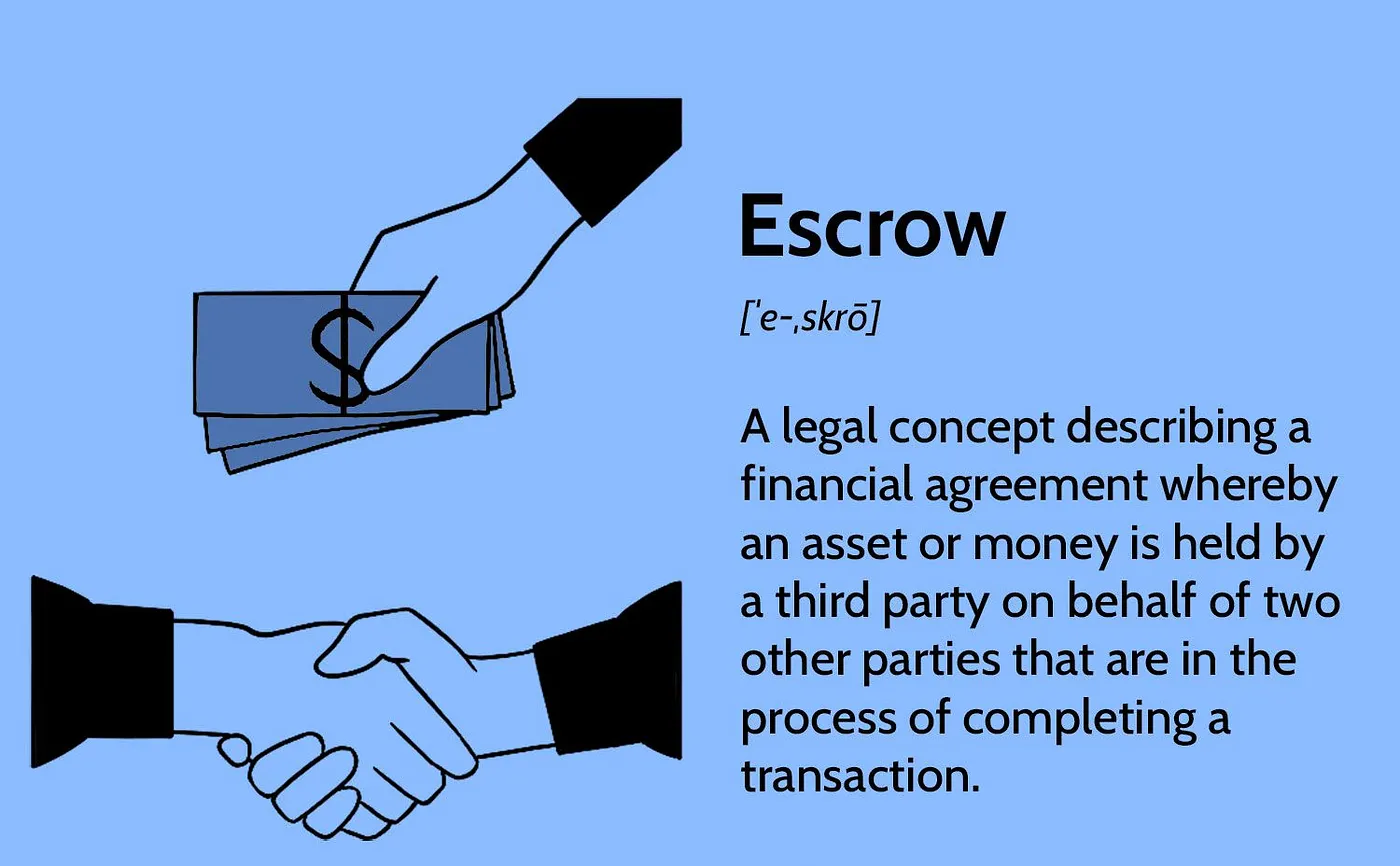
Uptick's Omnichannel Payment Module is designed to handle this through
smart contract escrow that holds funds based on predetermined
conditions encoded transparently at booking time, releasing payment to
operators when delivery confirms through oracle-connected verification
or refunding travelers when cancellation conditions trigger without
requiring platform adjudication.
This kind of payment infrastructure enables support for multiple
currencies including cryptocurrencies, stablecoins, and fiat rails
where integrated, selecting optimal routing for lowest fees and
fastest settlement, but also allowing for a deep level of
cryptographic security.
What becomes possible is a traveler booking a remote eco-lodge where
their payment stays in escrow until verified check-in, with automated
refund if the operator cancels within 48 hours but graduated penalties
if the traveler cancels at different time horizons, all executed
automatically through smart contracts without platform intermediaries
deciding outcomes, and operators receive instant settlement upon
service delivery confirmation rather than waiting weeks for platform
payment processing.

Timeshare and fractional ownership in vacation properties has been
plagued by fraud, opacity, and restrictive contracts that trap owners
in arrangements that lose value immediately and prove nearly
impossible to exit, with maintenance fees rising unpredictably and
usage rights way more restricted than sales presentations suggested.
Even legitimate fractional ownership arrangements lack transparency
around expenses, because decisions happen through opaque management
companies, and secondary markets barely exist as potential buyers
can't verify what they're actually purchasing.

Uptick's Programmable NFT Protocol can enable fractional vacation
ownership through tokenized stakes where each NFT could represent
verifiable ownership percentage with encoded rights, obligations, and
governance participation recorded immutably on-chain.
Social DAO infrastructure might then handle governance where
fractional owners vote on property decisions weighted by ownership
stake, with transparent proposal and voting mechanisms that record all
decisions on-chain, and the Uptick Decentralized Data Service keeping
accessible records of property expenses, maintenance schedules,
booking calendars, and revenue generation that all owners can verify
independently.
Essentially, smart contracts are able to automate revenue distribution
when properties generate rental income from unused weeks, splitting
proceeds proportionally among owners without requiring manual
accounting or trusting management companies to calculate distributions
accurately.
A group of 10 families could co-own a property in Costa Rica with each
holding 10% tokenized stakes that grant specific usage weeks,
governance votes, and proportional revenue from rental periods, with
all expenses visible on-chain and secondary market liquidity available
if someone wants to sell their stake without requiring other owners'
approval.
The transparency and liquidity transforms fractional ownership from a
common trap to viable investment, particularly for properties in
emerging destinations where individual ownership is impractical but
collective ownership with clear governance becomes economically
attractive.
Nowadays, every booking platform requires creating new accounts,
rebuilding preferences, and proving identity repeatedly through
document uploads that centralize sensitive data in dozens of corporate
databases that travelers don't control, can't audit, and have no
visibility into how that information gets used or secured.
Preferences don't travel between systems, so the dietary restrictions
a traveler carefully documented on one platform need manual re-entry
everywhere else, loyalty status from 50 verified hotel stays on
Booking.com means absolutely nothing to Airbnb, and proving identity
for age-restricted bookings requires uploading full passport scans
that reveal far more information than necessary.
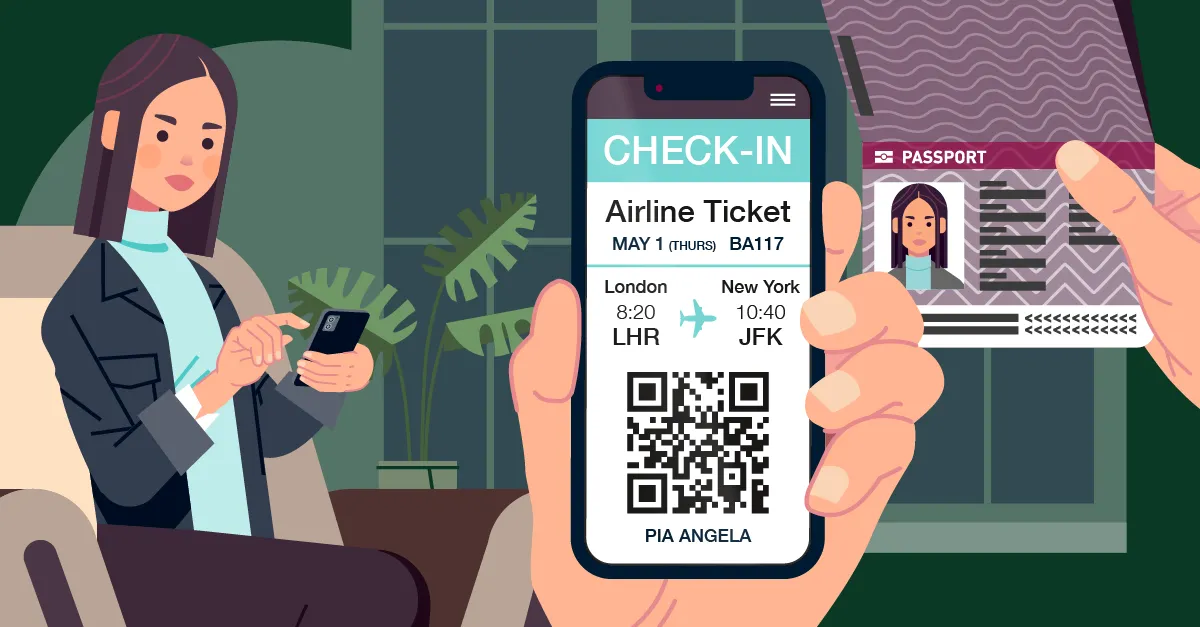
Uptick DID provides portable identity infrastructure built on W3C
standards where travelers control their own credentials and
selectively disclose only what specific situations require, allowing
for cryptographic proofs that confirm identity claims without exposing
underlying personal data.
Zero-knowledge proofs enable verification scenarios where a traveler
can prove they're over 21 for an adults-only resort booking without
revealing their actual birthdate, or confirm they hold a valid
passport from a specific country without sharing passport numbers,
photographs, or other sensitive details.
Identity stays user-controlled through private keys that travelers
hold, with verifiable credentials issued by trusted authorities like
government identity systems or established booking platforms, portable
across any service recognizing Uptick DID standards.
Preferences and reputation travel with the DID, so dietary
requirements, room preferences, accessibility needs, and verified
booking history become portable data that compatible platforms can
access with permission, and travelers can revoke access to any
credential or preference data immediately.
Travelers could arrive at a property abroad and have their preferences
recognized instantly based on verifiable history, as identity
verification is handled through cryptographic proofs, providing full
legal compliance without compromising data privacy.

Tour aggregator platforms have inserted themselves between travelers
and local guides, extracting 25–35% commissions, but providing minimal
value beyond visibility, and travelers have no reliable way to verify
guide credentials, safety certifications, or authentic reputation
versus manufactured reviews.
There could be a guide in Marrakech who spent 15 years building local
knowledge and cultural expertise, but loses a third of their earnings
to a platform that provides nothing except listing placement, and
credentials like first aid certifications, tourism board licenses, or
specialized knowledge don't travel between platforms, so guides
building reputation on one aggregator basically start from zero if
they attempt to diversify.

Uptick DID enables guides to keep a portable professional identity
with verifiable credentials cryptographically linked to their profile,
where tourism authorities, professional associations, or training
programs issue credentials that guides control and can present to any
platform or direct customer.
On-chain reputation builds through verified tours where travelers
provide reviews linked to actual bookings recorded through smart
contracts, creating tamper-proof history that guides own rather than
platforms controlling, and Social DAO infrastructure enables guide
collectives to organize cooperatively, pooling marketing resources and
maintaining individual reputation.
Direct payment through smart contracts eliminates platform
intermediaries, where travelers book and pay guides through escrow
that releases upon tour completion without 30% commission extraction.
A guide collective in Peru could organize 20 independent guides who
share marketing costs and keep up quality standards through DAO
governance, with each guide holding verifiable credentials proving
their specialized knowledge and on-chain reputation from hundreds of
verified tours, and travelers booking directly through smart contracts
that automate payment distribution without platform intermediaries
claiming percentage fees.

The tourism industry operates fundamentally on trust between parties
who don't actually know each other, haven't met, and often don't share
languages, cultures, or legal frameworks, making reliable verification
and transparent transactions essential to functional markets.
Current platform-based infrastructure positions intermediaries as
trust providers, but those intermediaries increasingly optimize for
their own economic benefit through review manipulation, loyalty
devaluation, payment control, and data centralization that serves
platform interests over participant needs.
Uptick's infrastructure approaches this differently by providing
verification and coordination capabilities without centralized control
over data, payments, or reputation, where decentralized identity
proves claims without exposing unnecessary information, programmable
loyalty creates portable value that survives platform changes, payment
escrow operates through transparent smart contract logic, and
reputation builds through verifiable on-chain records that
participants own.
We're not aiming to eliminate travel platforms entirely, but instead
we're building alternatives where trust comes from cryptographic
verification as opposed to centralized promises, where value flows to
participants rather than intermediaries, and where reputation,
identity, and transactions stay under user control rather than
platform ownership.