Web3 Infra Series | The Reputation Ownership Problem
Published on Jan 27, 2026
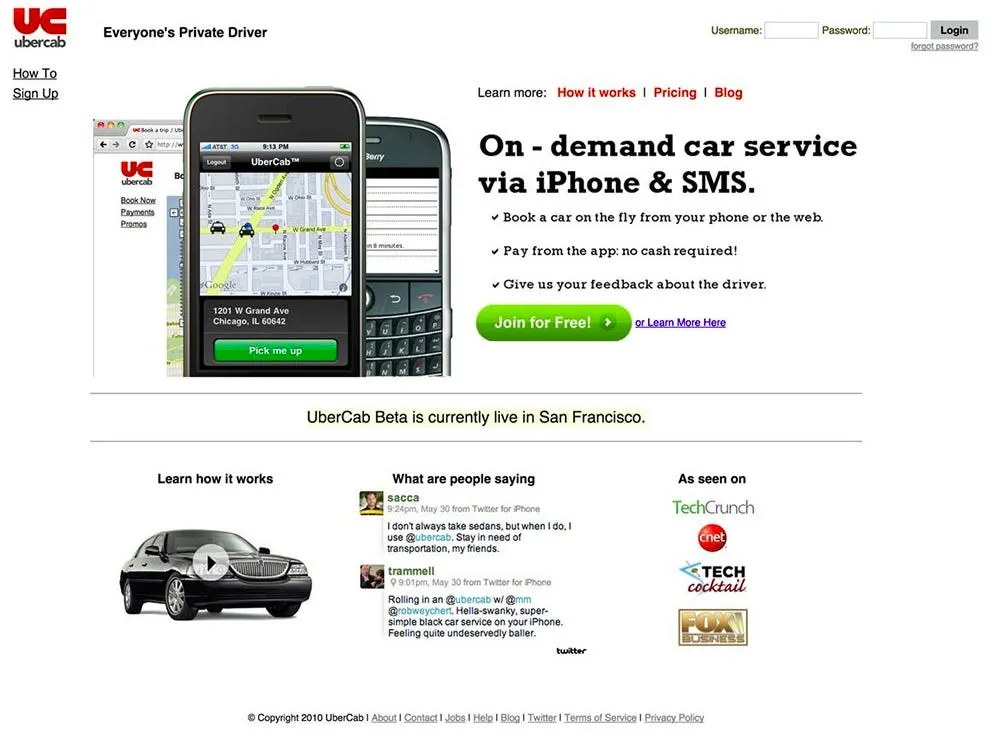
When Travis Kalanick stood on stage back in 2010 pitching Uber's
vision, it was a narrative centered on liberation where drivers could
escape the taxi medallion system that trapped them in predatory
leases, with the hope to break free from the dispatch tyranny that
controlled their schedules, and start building their own
transportation businesses using assets they already owned.
Essentially, the pitch was that your car becomes your business, your
work ethic determines your income, and nobody stands between you and
your customers extracting rent from relationships you cultivated
through years of reliable service.
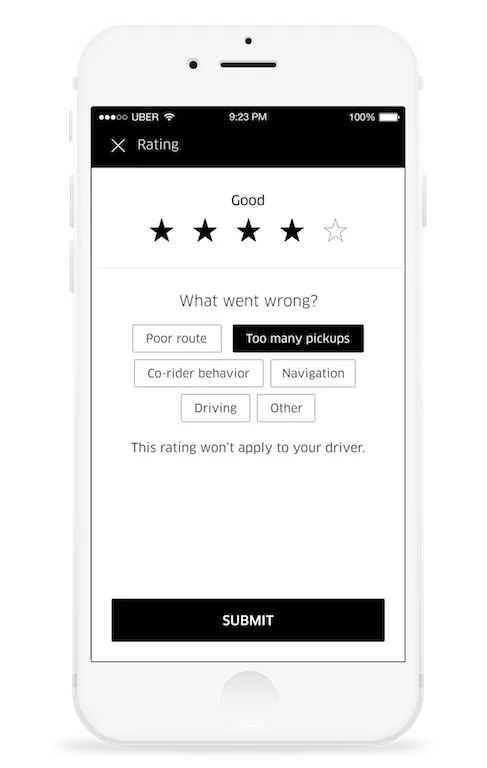
A driver with 10,000 rides and a 4.95-star rating accumulated through
three years of consistent service translates to tens of thousands of
hours of labor-intensive reputation capital that should function as a
portable professional asset. However, the driver owns absolutely none
of it, and that reputation exists exclusively in Uber's database,
worthless on Lyft, meaningless to potential employers outside
rideshare platforms, and subject to instant deletion if Uber's
algorithm flags their account for reasons they'll never understand or
successfully appeal.
The taxi medallion system faced criticism as monopolistic and
extractive, but in fairness, at least medallions were assets drivers
could own, sell, or use as collateral.

A New York medallion peaked at $1.3 million in value precisely because
it represented a transferable asset with market liquidity that drivers
controlled. On the other hand, digital reputation operates as a more
sophisticated trap because platforms convinced millions of workers to
spend years building assets they would never own, creating lock-in
more powerful than any medallion cartel achieved through government
regulation, with none of the asset portability that made medallions
valuable despite their problems.
Uber's pitch resonated because taxi systems genuinely extracted value
from drivers, where medallion owners in New York charged drivers
$3,000 monthly to lease access to legal operating rights, and fleet
operators took cuts of 40–50% from gross fares before drivers saw
income.
Platform companies positioned themselves as the solution by
eliminating the medallion as an intermediary, connecting drivers
directly to riders through technology that made dispatch obsolete and
quality transparent through ratings.
The initial arrangement appeared favorable as early Uber drivers kept
significantly higher percentages of fares compared to traditional taxi
arrangements and controlled their schedules without lease payments or
dispatcher fees, building ratings that passengers could see and that
determined priority in busy areas. The promise held that drivers who
provided excellent service would naturally build reputations
commanding premium opportunities, creating meritocracy where work
quality rather than political relationships or lease payments
determined success.

The trap closed gradually as drivers accumulated ratings that made
them more valuable to platforms but more dependent on staying. A
driver starting fresh on Uber faces acceptance rate penalties that
experienced drivers avoid, receives lower-priority dispatch during
surge pricing, and carries the stigma of being new in a system where
passengers explicitly filter for highly-rated drivers.
Years of consistent ratings create a professional identity worth
substantial annual income differential compared to starting over on a
competing platform.
Lyft maintains separate ratings, so a driver with 4.95 stars on Uber
shows up as a blank profile, functionally identical to someone who
started last week. The same pattern repeats across Uber Eats,
DoorDash, Instacart, and every delivery platform where reputation
determines income through preferential order assignment, trapping
workers because switching means becoming invisible again.

Airbnb superhosts spend years perfecting operations to earn the
superhost badge that drives 30–50% higher booking rates, investing
thousands in upgrades and maintaining spotless properties that
generate consistently excellent reviews. That superhost status exists
only on Airbnb, worthless on VRBO despite representing identical
skills, forcing hosts to start from zero and rebuild reputation
through another year of discounted pricing.

eBay sellers accumulate feedback scores through thousands of
successful transactions proving they ship quickly and resolve disputes
fairly. An eBay seller with 10,000 positive reviews and 99.8% feedback
rating has proven reliability through a decade of consistent
performance, but that reputation translates to precisely nothing on
Amazon or Etsy, where they start with zero credibility.

Fiverr sellers spend years climbing from Level 0 to Level 2 through
hundreds of successful projects, earning priority placement and trust
signals that convert profile views into paid engagements. That Level 2
status can generate substantial annual income that disappears
completely if the seller moves to Upwork, where they start with no job
success score despite being the same professional providing identical
services.

Platform lock-in through reputation operates more powerfully than
traditional switching costs because reputation compounds in value as
it accumulates, making the decision to leave progressively more
expensive over time.
A driver with minimal ratings loses relatively little by switching
platforms, but a driver with thousands of five-star ratings
accumulated over years loses substantial annual income through lost
priority dispatch, lower passenger acceptance rates, and inability to
command the preferential treatment that highly-rated drivers maintain
even during slow periods.
This creates an escalating trap where the longer someone operates on a
platform and the more reputation they accumulate, the more
economically irrational it becomes to leave despite deteriorating
terms.
Research from 2025 revealed that many Uber drivers are earning
'substantially less' per hour since the company introduced a dynamic
pricing algorithm in 2023 that coincided with the company taking a
significantly higher share of fares. Earlier reporting documented how
Uber hid driver pay cuts to boost profits, systematically reducing
driver compensation once dependency through reputation made switching
economically painful.
Drivers with years of accumulated reputation absorb these cuts because
switching platforms means starting over with worse treatment than they
currently receive despite the pay reductions, creating a negotiating
asymmetry where platforms dictate terms and workers accept them
because their reputation asset is held hostage. This kind of
progression mirrors the classic bait-and-switch where platforms
recruit workers with promises of independence and meritocracy, then
extract increasing value once reputation lock-in eliminates worker
leverage to negotiate or leave.

Platforms weaponize ratings to enforce compliance with policies that
benefit platform economics at worker expense, threatening account
deactivation for low acceptance rates or cancellation rates even when
declining rides or canceling would be economically rational. A driver
who sees an unprofitable ride request traveling away from busy areas
during surge pricing should decline to stay in the zone, but doing so
too frequently triggers deactivation threats that put years of
reputation accumulation at risk.
The platform cares nothing about the driver's economics and uses
reputation as leverage to enforce behavior that maximizes platform
revenue regardless of impact on worker earnings.
The value of reputation compounds non-linearly where thousands of
five-star ratings prove far more reliability than hundreds of ratings,
demonstrating sustained consistency over years rather than brief good
performance. Platform fragmentation destroys this compounding by
resetting reputation to zero each time a worker joins a new service,
forcing workers to rebuild social proof separately on each platform
despite their overall track record proving consistent professional
reliability across multiple contexts.
The digital economy reversed historical norms where professional
reputations were assets workers accumulated and leveraged throughout
their careers.
A plumber who spent twenty years building a reputation for quality
work in their community owned that reputation through word-of-mouth
referrals and repeat customers that followed them regardless of which
contractor they worked for or whether they operated independently. The
reputation existed in relationships with customers, not in a database
controlled by an intermediary who could revoke access.

Small business owners understood reputation as their most valuable
asset, investing years in building trust with customers through
consistent service that generated referrals worth far more than any
individual transaction. That reputation belonged to the business owner
and translated directly into enterprise value when they sold the
business, as the buyer acquired the intangible reputation that made
customers choose them over competitors.
The platform economy created a disconnect here by inserting
intermediaries between workers and customers, with platforms capturing
reputation data in proprietary databases and refusing to provide
portable proof of the reputation workers built.
A driver proves reliability through thousands of Uber rides generating
consistent five-star ratings, but that reputation exists only as data
in Uber's systems rather than as a portable asset the driver controls.
A big problem is platforms claiming ownership over reputation data
their workers generated through years of labor, but refusing to
provide any mechanism for workers to prove their track record
elsewhere. Uber possesses comprehensive data proving a driver's
reliability through completion rates, star ratings, and passenger
feedback accumulated across thousands of rides, but provides no
exportable proof the driver can show to competing platforms or
potential employers.
This data exists because the driver performed labor that generated it
through thousands of interactions with passengers who evaluated
service quality. Yes, Uber contributed infrastructure that facilitated
those interactions, but they are claiming permanent ownership over the
reputation data as if the platform generated it rather than simply
recording outcomes of the driver's work.
A research scientist might build reputation through publications and
citations, but everyone understands the scientist owns that reputation
and references it when applying to different institutions. Platform
workers generate equivalent track records through their ratings and
completed transactions, but the platforms refuse to provide portable
proof workers can use elsewhere, creating artificial fragmentation
that serves platform interests by manufacturing lock-in through
withholding data workers generated.

The trapped ratings means substantial lost income as workers absorb
pay cuts rather than lose years of accumulated reputation, but
platforms never mention the exponentially more valuable asset they're
extracting through comprehensive behavioral intelligence that
determines who gets access to the most profitable opportunities.
Every completed ride, accepted order, and customer interaction
generates behavioral data points platforms aggregate into predictive
models worth far more than the ratings workers see, building datasets
that enable precision optimization of matching algorithms, surge
pricing, and preferential treatment that platforms monetize without
compensating the workers whose labor produced the underlying
intelligence.
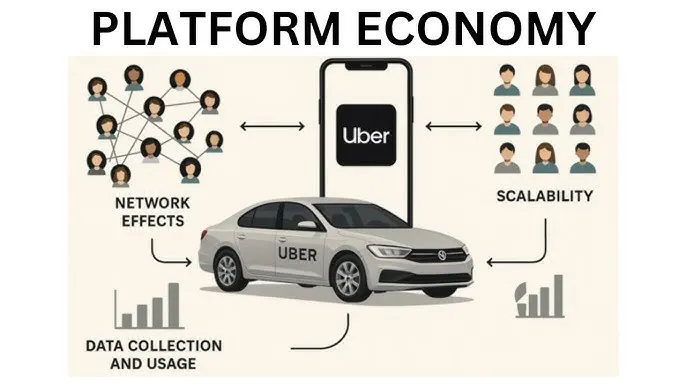
Three years driving Seattle's tech corridor teaches a driver which
passengers tip consistently, which routes avoid I-5 gridlock during
rush hour, and that Monday morning airport runs between 4–6am
represent the most reliable income. This knowledge comes from lived
experience, thousands of rides revealing patterns that direct
observation makes obvious to anyone paying attention.
Uber tracks all of this and orders of magnitude more.
Which specific drivers passengers request repeatedly, what music
preferences correlate with higher tips, which conversation styles lead
to five-star ratings, how weather conditions affect cancellation
patterns, which pickup locations predict longer rides, and what
time-of-day factors determine surge pricing tolerance. The platform
basically builds behavioral models predicting rider lifetime value,
driver consistency under stress, and revenue optimization
opportunities with precision that justifies charging premium rates for
guaranteed pickup times during high-demand windows.
This behavioral intelligence enables platforms to optimize matching
algorithms that determine which drivers get which rides, predict
performance under different conditions before they happen, and
identify which workers generate highest lifetime value through metrics
invisible to the workers themselves. The driver knows they're busy
during Monday morning airport rushes because they see the rides, but
Uber knows exactly why certain drivers get more of those rides, which
driver characteristics correlate with passenger retention, and how to
price preferential access to high-value rides accordingly.
Platforms monetize this intelligence through preferential matching
where high-performing workers receive better ride opportunities during
surge pricing, access to passengers more likely to tip generously, and
priority placement in high-demand areas, essentially selling workers
their own reputation back to them through differential treatment based
on behavioral data the workers generated but never see.
The platform captures the value of reputation twice by paying workers
nothing for generating the behavioral data that makes matching
algorithms work, then extracting additional value by using that data
to determine which workers receive access to the most profitable
opportunities.
Workers who built this behavioral reputation over years receive no
compensation when platforms monetize it, no access to the granular
performance data that determines their economic outcomes, and no
ability to leverage it elsewhere if they choose to switch platforms.
The asymmetry mirrors the advertising extraction model where platforms
capture behavioral data worth far more than the revenue they share
with the people who generated it, building proprietary datasets that
compound in value as they accumulate while compensating data
generators zero for the underlying asset their work produced.
Early internet architects anticipated centralized platforms capturing
identity and reputation data, proposing decentralized standards that
would allow individuals to maintain portable digital identities
working across services without any single company controlling access.
These principles remained theoretical for decades because the
infrastructure required didn't exist, creating a coordination problem
where individual services had no incentive to adopt standards
benefiting workers at platform expense.
Web3 provides the technical foundation making portable reputation
viable at scale through infrastructure that enables transparent
verification, standardized data formats, and cross-platform
interoperability without requiring centralized coordination.
Reputation data can live in decentralized storage controlled by
workers, verification can happen through cryptographic proofs rather
than platform databases, and interoperability can work across
competing services through open standards.

This is important because ownership structure determines who captures
value as reputations appreciate.
A platform worker building reputation on Uber generates an asset worth
substantial money through increased earnings and priority access, but
they own none of that value and lose it completely if they choose to
work elsewhere. Decentralized infrastructure inverts this by giving
workers genuine ownership over reputation data that appreciates as
their professional track record grows.
Platform disconnect exists because each service maintains separate
identity databases refusing to acknowledge that accounts represent the
same person. Uber drivers, Lyft drivers, and DoorDash drivers are
often literally the same person operating across multiple apps, but
each platform treats them as separate entities with no shared history.
Uptick's infrastructure design enables portable reputation through
W3C-compliant decentralized identifiers, where a driver could create
one DID representing their professional identity once, with each
platform recording reputation data tied to that DID rather than to
platform-specific accounts.
When that driver switches from Uber to Lyft, their verifiable
credential proving 10,000 completed rides with a 4.95-star rating
could, if implemented, follow them automatically through cryptographic
proof Lyft can verify mathematically without requiring Uber's
permission or accessing Uber's database.

The technical mechanism making portable reputation work is verifiable
credentials where platforms issue cryptographic certificates proving a
worker's performance, but the worker holds and controls those
reputation proofs. An Uber driver completing thousands of rides with a
high star rating receives a verifiable credential from Uber
cryptographically signed to prove authenticity, and the driver stores
that credential in a wallet they control and can present to Lyft,
DoorDash, or anyone else evaluating their competence.
Uptick's DID framework supports verifiable credentials through
cryptographic signatures where Uber could issue a certificate proving
a driver's performance metrics, signed with Uber's private key and
anchored on distributed infrastructure. When that driver presents the
credential to Lyft, the platform verifies Uber's signature
mathematically without contacting Uber's servers or requiring
centralized validation, proving the credential is authentic through
zero-knowledge proofs that confirm the driver maintained above 4.9
stars for 5,000+ rides without revealing exact ratings or specific
passenger feedback.
This works through zero-knowledge proofs that allow selective
disclosure where workers prove specific claims about their reputation
without revealing underlying data. A driver could prove they
maintained above a certain rating threshold for thousands of rides
without revealing their exact rating or specific feedback, satisfying
verification requirements while protecting personal information.
Portable verification solves reputation ownership, but creates a new
problem, which is that if credentials become transferable assets,
workers could sell them to others who didn't earn them. Recent data
shows 45% of gig workers already rent or sell platform accounts, with
fraudulent buyers using purchased reputations to bypass background
checks or platform standards.
Preventing this requires reputation credentials that cryptographically
bind to specific individuals, proving the person presenting
credentials is the same person who performed the work that generated
them.
Reputation represents achievements that prove things about specific
individuals rather than assets that could belong to anyone. Soul-bound
tokens (SBTs) implement this through NFTs tied to specific DIDs that
can't be transferred or sold, creating permanent records of reputation
that follow workers across platforms without risk of fraud.
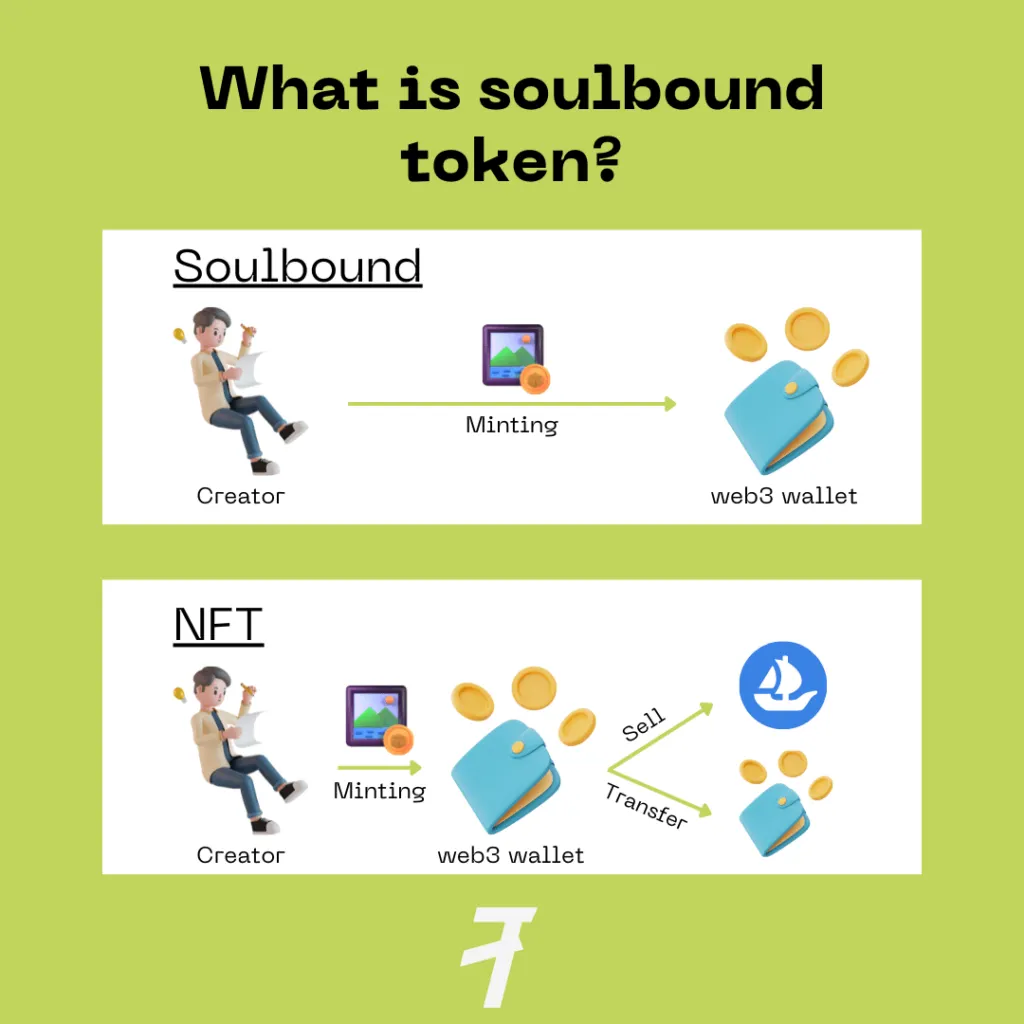
Uptick's programmable NFT protocol could enable soul-bound tokens
through smart contracts that cryptographically bind reputation
credentials to specific DIDs, preventing transfer or sale because the
token verifies the presenter's private key matches the DID that
accumulated the reputation.
A driver's 10,000-ride completion record could exist as an SBT tied to
their DID through on-chain verification, where attempting to transfer
the token to another account fails automatically because the receiving
account can't produce the cryptographic proof linking them to the
rides that generated the reputation, making fraud mathematically
impossible rather than simply monitored.

Platform work under current infrastructure is working exactly how the
systems were designed where every rating, review, and behavioral
signal flows into platform databases that workers never own, platforms
treat professional reputation as their property rather than worker
assets, and platforms tighten extraction once dependency is secured
through years of reputation building.
Changing that outcome means changing the infrastructure rather than
hoping platforms voluntarily provide portable reputation data or
recognize competitor ratings. Systems where reputation data, identity,
and verification terminate with workers rather than platforms produce
different economics by default because there's no central database
that can quietly revoke access or refuse to acknowledge reputation
earned elsewhere.
Each layer of this alternative stack maps to specific failures in the
way things currently work, which is identity that travels with workers
through DID instead of fragmenting across platform accounts,
reputation stored in worker-controlled wallets instead of platform
databases, verification happening through cryptographic proofs instead
of requiring platform permission, and reputation compounding across
services through cross-chain infrastructure instead of resetting to
zero with each platform switch.
Workers can keep building reputation on platforms that claim permanent
ownership over professional assets they'll never control or leverage
outside those specific services, or they can actually start building
on infrastructure where reputation is portable, data is
self-sovereign, and professional track records compound across
platforms rather than disconnect into isolated databases that serve
platform interests at worker expense.